
 Deutsch
 Français


Price range: $290.00 through $1,800.00
Buy Rare Heterotis Niloticus Online
Discover rare African Arowana for sale at Arowanaz.org. Learn about care, size, lifespan, and buy authentic, CITES-certified fish with live delivery worldwide. African Arowana for Sale | Buy Heterotis niloticus Online . Explore our premium collection of African Arowana (Heterotis niloticus) for sale at Arowanaz.org. These rare, prehistoric fish are perfect for experienced aquarists seeking a unique, majestic addition to their tank. Each fish is healthy, CITES-certified, and shipped with a live arrival guarantee. Order now and bring home a living fossil with ancient charm.
African arowana for sale | What is African arowana fish?
The African arowana (Heterotis niloticus), also called the Nile arowana or African bonytongue, is one of the most ancient and unusual freshwater fish available in the aquarium hobby today. Native to the river systems and floodplains of West and Central Africa, including the Nile River and Lake Chad, this majestic species grows up to 3.3 feet (100 cm) and carries an air of prehistoric grandeur that no other fish can replicate. Unlike its Asian and South American cousins, the African arowana is an omnivorous filter feeder with a calm, gliding swimming style and a surprisingly peaceful temperament. Each specimen we sell at Arowanaz.org is sourced responsibly and shipped live with a full health guarantee. Order your African arowana today.
“To keep an African arowana is to share your home with a piece of natural history. This fish has been gliding through Africa’s great rivers since the age of dinosaurs, and it carries that ancient calm with it.”
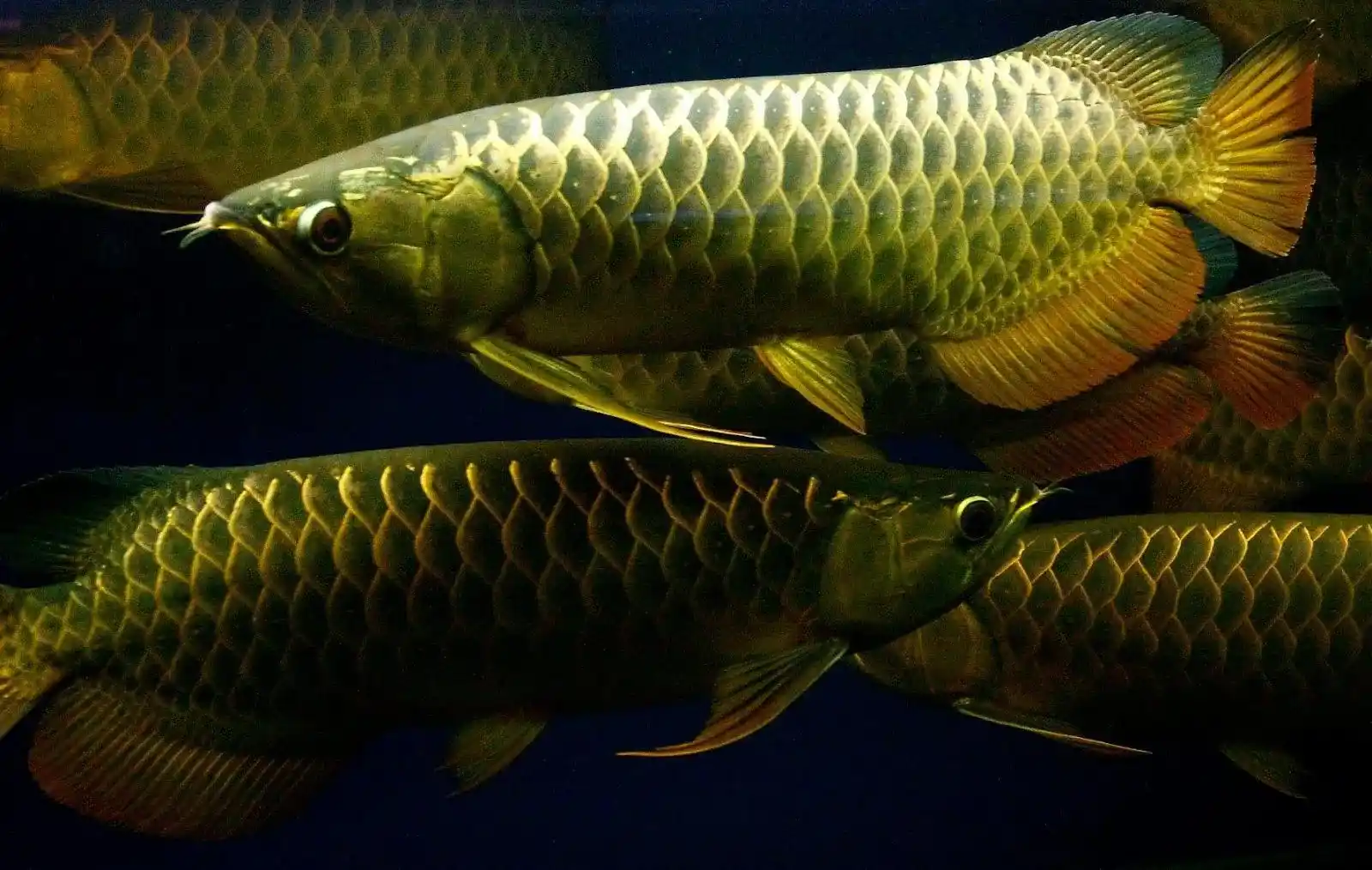 Explore our rare arowana and exotic fish collection at Arowanaz.org
What is an African arowana fish? 🐟
The African arowana (Heterotis niloticus) is a large, ancient freshwater bonytongue native to African rivers and lakes. It is the only arowana species that feeds primarily on plankton and small organisms.
The African arowana is one of the most fascinating and misunderstood fish in the entire freshwater hobby. It shares a name and a distant evolutionary heritage with the Asian and South American arowanas, but it is a genuinely distinct creature with a completely different feeding style, body structure, and personality.
Scientifically known as Heterotis niloticus, it belongs to the family Arapaimidae (sometimes classified within Osteoglossidae), and is more closely related to the giant South American arapaima than to the Asian dragonfish. According to Wikipedia’s African arowana entry, the African arowana is a long-bodied fish with large scales, long dorsal and anal fins set far back on the body, and a rounded caudal fin. It has been reported to reach up to 1 m (3.3 ft) in length and weigh up to 10.2 kg (22 lb).
The genus name Heterotis comes from the Greek words hetero (different) and otis (ear), a reference to the fish’s distinctive ear structure. The species name niloticus derives from the Nile River, where the species was first scientifically documented. The species was first formally described by French zoologist Georges Cuvier in 1829, in his landmark work Histoire Naturelle des Poissons, initially under the name Sudis niloticus.
What makes the African arowana stand out among all arowana species is its feeding method. Unlike the surface-hunting, prey-ambushing Asian and South American arowanas, the African arowana is an omnivore and the only arowana species that feeds extensively on plankton. It uses a specialized filter-feeding system to sift small organisms, plant matter, and micro-particles through its gills, giving it a slow, deliberate, and hypnotically graceful swimming style that aquarists find genuinely captivating.
Where does the African arowana come from? 🌍
The African arowana is native to freshwater river systems and lakes across West, Central, and East Africa, including the Nile River, Lake Chad, Lake Turkana, and the Niger, Volta, Senegal, and Gambia river basins.
The natural range of Heterotis niloticus is enormous. This species is widespread throughout Africa, native to all the watersheds in the Sahelo-Sudanese region, Senegal, and Gambia, as well as parts of eastern Africa. This range includes the basins of the Corubal, Volta, Ouémé, Niger, Bénoué, and Nile Rivers, as well as those of Lake Chad and Lake Turkana.
It has also been successfully introduced beyond its native range. Introductions have occurred in Côte d’Ivoire, the Cross River in Nigeria, the Sanaga and Nyong Rivers in Cameroon, the Ogooué River in Gabon, the lower and middle Congo River basin, and even in Madagascar. In some cases, these introductions are reported to have had a negative impact on local ecology.
In the wild, the African arowana inhabits slow-moving rivers, floodplains, lagoons, and shallow wetlands with abundant vegetation. It thrives in murky, organically rich waters where its filter-feeding strategy gives it a distinct advantage. One of its most extraordinary adaptations is air-breathing capability. The African arowana can use modified lung-like tissue to breathe atmospheric air, allowing it to survive in oxygen-depleted water that would kill most other fish. This ancient adaptation is a reminder of just how long this lineage has persisted on Earth.
From a conservation perspective, the African arowana is in a far more secure position than its Asian relatives. The African arowana (Heterotis niloticus) is classified as Least Concern (LC) on the IUCN Red List of Threatened Species, with the assessment conducted on 14 August 2019 and published in 2020, unchanged as of 2025. This makes it one of the few arowana species that can be legally acquired without CITES Appendix I restrictions, which significantly simplifies the ownership process compared to Asian arowana varieties.
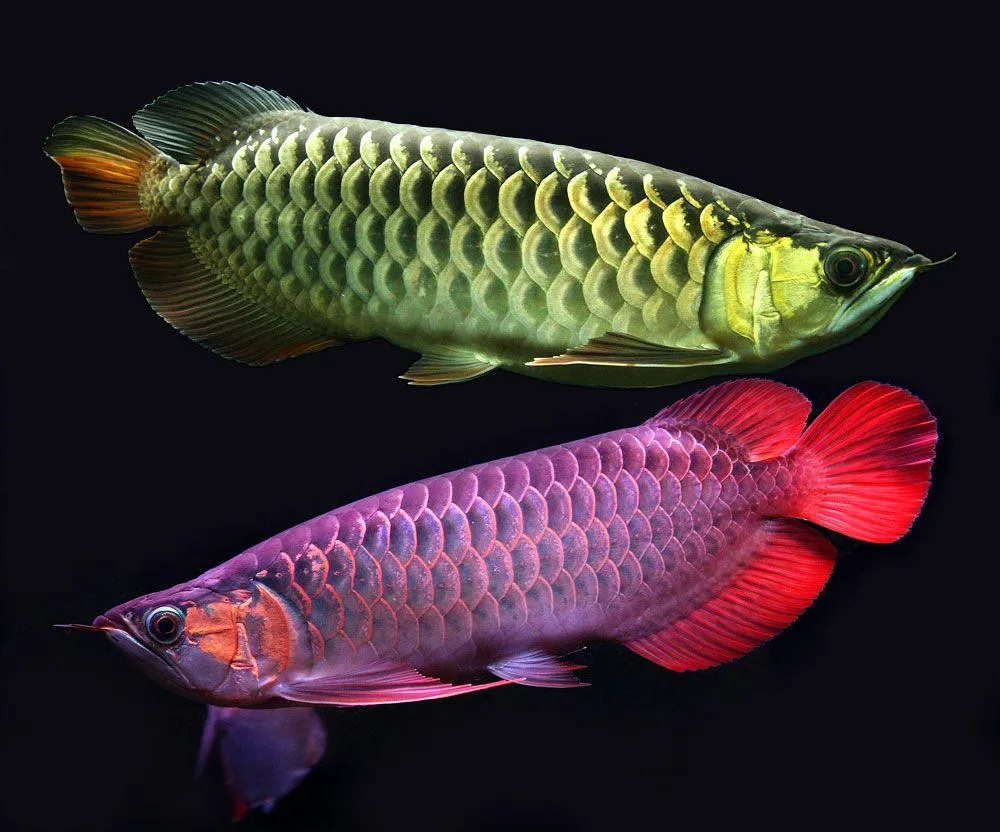 Compare all arowana species at Arowanaz.org
African arowana vs Asian arowana: what is the difference? 🔄
The African arowana is an omnivorous filter feeder from Africa classified as Least Concern on the IUCN Red List, while the Asian arowana is a predatory surface hunter listed as Endangered under CITES Appendix I.
This comparison is one of the most important pieces of information for any buyer to understand before making a purchase. They are very different fish.
| Feature | African arowana | Asian arowana | Silver arowana |
|---|---|---|---|
| Scientific name | Heterotis niloticus | Scleropages formosus | Osteoglossum bicirrhosum |
| Family | Arapaimidae | Osteoglossidae | Osteoglossidae |
| Origin | Africa (Nile, Niger, Chad, Turkana) | Southeast Asia (Indonesia, Malaysia) | South America (Amazon) |
| Feeding style | Omnivore / filter feeder | Carnivore / surface predator | Carnivore / surface predator |
| Mouth position | Terminal (forward-facing) | Upturned (surface hunter) | Upturned (surface hunter) |
| Adult coloration | Grey, brown, or bronze (uniform) | Red, gold, green (varies by variety) | Silver with blue-tinted scales |
| Max size | Up to 100 cm / 3.3 ft | Up to 90 cm / 3 ft | Up to 120 cm / 4 ft |
| Temperament | Relatively peaceful | Territorial / aggressive | Semi-aggressive |
| CITES restriction | Not CITES listed | CITES Appendix I | Not CITES listed |
| IUCN status | Least Concern | Endangered | Least Concern |
| Price range (USD) | $100–$600 | $1,500–$5,000+ | $30–$200 |
| Air breathing | Yes | No | No |
For a full comparison of arowana varieties including the Asian, South American, and Australian species, our guide on Asian vs South American arowana covers the key differences in detail.
Best tank setup for African arowana fish 🐠
An African arowana needs a minimum 300-gallon tank for juveniles, a sandy substrate for digging, a secured lid, water temperature of 78–82°F, and a pH of 6.5–7.5.
Setting up correctly from the start is critical. Juvenile African arowanas can be kept in a 300 to 500-gallon tank, but adult fish require a maintained pond or a commercial-sized aquarium to accommodate their large size.
Essential tank parameters
- Minimum tank size (juveniles): 300–500 gallons
- Adult housing: Backyard pond or commercial-sized aquarium
- Water temperature: 78–82°F / 25–28°C
- pH: 6.5–7.5
- Substrate: Sandy bottom (the African arowana uses its rounded nose as a shovel to dig for food)
- Decor: Minimal. A few rocks or pieces of driftwood are sufficient. Open swimming space is the priority.
- Lid: Tightly secured at all times. African arowanas are powerful jumpers that have been known to smash aquarium lids, causing injury to themselves.
- Water plants: A floating plant canopy helps reduce light stress and mimics the shaded riverine environment they prefer
- Lighting: Moderate and diffused. Sudden lighting changes can cause panic responses and tank strikes.
One of the most important practical notes for African arowana keepers: plan for the fish’s adult size before you buy. This species is often kept successfully as a juvenile in a standard large aquarium and then transferred to a purpose-built pond as it outgrows its tank. Do not release it into local waterways. Non-native introductions of this species have caused documented ecological disruption in several African water systems.
For aquarium options suited to large fish, our 170-gallon white fish aquarium and 175-gallon black aquarium are a starting point for juvenile setups. Our arowana fish tank setup guide provides a full walkthrough of filtration, lighting, and environmental enrichment.
What do African arowana fish eat? 🦐
African arowanas are omnivorous filter feeders. In captivity, feed them soft sinking pellets, bloodworms, brine shrimp, chopped prawns, gel foods, algae wafers, krill, and small meaty items twice daily.
Feeding the African arowana is one of the most distinctive aspects of keeping this species. It does not hunt prey from the surface the way Asian and South American arowanas do. Instead, it sifts through the water column and substrate for plankton, micro-organisms, plant matter, and small invertebrates. This feeding method requires a different approach in the aquarium.
In the wild, African arowanas are filter feeders that sift the bottom of lakes and rivers to eat worms, insect larvae, adult insects, phytoplankton, and small crustaceans in their juvenile stage. As they age and grow, they eat other water creatures they can swallow. The African arowana has a unique eating ritual of using its tongue and teeth to break down food before swallowing.
Recommended captive diet:
- High-quality sinking or gel pellets formulated for large omnivorous fish
- Frozen bloodworms and brine shrimp
- Chopped raw shrimp or prawn (color-enhancing)
- Lobster eggs and krill
- Mosquito larvae
- Algae wafers and vegetable matter
- Small feeder fish (adults only)
Key feeding notes:
- Juveniles under 6–8 inches are vulnerable and need feeding every 5–6 hours, including during the night for the first several months
- Introduce pellets gradually alongside live food to build acceptance of prepared feeds
- Avoid large chunks of food. Throat capacity is limited in young fish, and food size should increase gradually as the fish grows
- Feed once or twice daily in adults, providing only what they can consume within a few minutes
Browse our arowana fish food collection for suitable products to support a healthy and varied diet.
Best tank mates for African arowana fish 🐟
The best tank mates for an African arowana are large, peaceful species like silver dollars, large tetras, bichirs, peaceful cichlids, and large catfish that occupy the lower water column.
The African arowana is notably more peaceful than other arowana species. Unlike the Asian arowana, which is highly territorial and aggressive toward most tank companions, the African arowana generally tolerates fish that are too large to be swallowed and do not compete aggressively for food.
Generally more peaceful than other arowanas, the African arowana still requires appropriately sized companions. Compatible species include larger peaceful fish such as silver dollars, large tetras, peaceful cichlids, bichirs, and large catfish. Semi-aggressive species that may compete for food require caution. Small fish may be eaten, and aggressive or highly territorial tank mates should be avoided.
Recommended companions:
- Large catfish (nocturnal bottom dwellers that do not compete at the surface)
- Bichirs (slow-moving, peaceful, bottom-dwelling)
- Silver dollar fish (peaceful, mid-level schooling species)
- Large peaceful cichlids
- Large tetras
- Freshwater stingrays (a natural pairing, given their shared river-basin habitats)
Experienced keepers note that keeping multiple African arowanas together is risky. The stronger fish will bully or outcompete smaller ones for food. In most cases, keeping a single specimen alongside large, compatible bottom or mid-level species produces the most stable community.
For more guidance on compatible pairings, our arowana fish tank mates guide is a complete reference covering all major arowana varieties.
How much does an African arowana cost? 💰
An African arowana typically costs between $100 and $600 USD depending on size and source, making it the most affordable arowana available for aquarists in the USA, UK, and Germany.
The African arowana price reflects both its relative abundance in nature (IUCN Least Concern status) and the absence of CITES trade restrictions that drive up the cost of Asian arowana varieties. This makes it an outstanding option for collectors who want the visual drama and ancient character of an arowana without the significant financial commitment of a Grade 1 Asian specimen.
Pricing is influenced by:
- Size at purchase: Smaller juveniles (3–4 inches) are cheaper; larger specimens (7–12 inches) command more
- Source: Wild-caught vs aquaculture-raised fish differ in price and in behavioral adjustment to captivity
- Shipping: Live fish transport involves specialist oxygen packaging and temperature control, adding to the final cost
For a full market overview of arowana pricing across all species, our arowana price guide breaks down what you can expect to pay at every level of the hobby.
Where to buy African arowana fish online in the USA, UK, and Germany 🌐
You can buy certified African arowana fish online at Arowanaz.org with live delivery to the USA, UK, Germany, Australia, and select international destinations.
We have shipped live African arowanas to collectors in New York, Los Angeles, London, Berlin, Sydney, and across Southeast Asia. Every shipment uses specialist live packaging with pure oxygen, temperature control, and full health documentation.
Our ordering process:
- Visit the African arowana for sale product page and select your preferred size
- Contact our team via the Arowanaz.org contact page with questions about availability or husbandry
- Complete your secure online order
- We prepare your fish with specialist live-animal oxygen packaging
- Your African arowana ships with a health certificate, tracking information, and our live arrival guarantee
German-speaking customers can order via our German arowana shop and access full German-language support at our German FAQ page. French-speaking customers can access the French boutique for full purchasing details.
For guidance on how we safely package and transport live fish internationally, our arowana fish shipping guide covers everything from oxygen packing to airline cargo logistics.
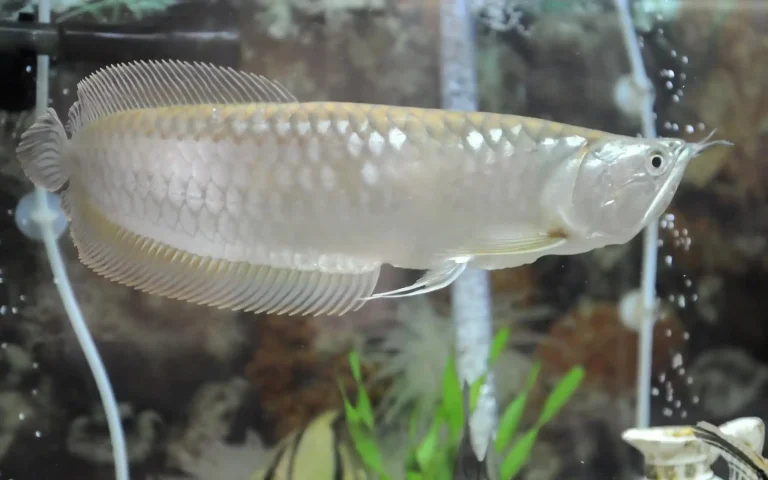 We ship live African arowana fish worldwide from Arowanaz.org
Why the African arowana is the best rare arowana for advanced aquarists 🏆
The African arowana combines prehistoric rarity, a genuinely unique filter-feeding behavior, legal accessibility, and a peaceful temperament that no other arowana species offers collectors.
We work with a wide range of arowana varieties at Arowanaz.org, from the highly sought-after chili red arowana and platinum arowana to the accessible silver arowana and Jardini arowana. The African arowana occupies a genuinely unique position in this collection.
Here is what makes it stand out for the right keeper:
- It is the only arowana that filter-feeds, giving it a behavioral profile unlike any other species in the hobby
- Its air-breathing capability is a living demonstration of one of evolution’s most elegant solutions to environmental stress
- It is not subject to CITES Appendix I restrictions, making legal acquisition far simpler than Asian arowana species
- Its peaceful temperament compared to Asian and Australian varieties allows for more creative community tank setups
- Its prehistoric lineage stretching back over 100 million years makes it a genuinely ancient animal to house
According to a 2025 peer-reviewed study published in Fishes journal by Ogunji et al. (MDPI, 2025), Heterotis niloticus offers great aquaculture potential due to its high growth rate, large size, omnivorous diet, and high consumer acceptability, reinforcing its status as one of the most practically significant large freshwater fish in the world.
For collectors who want a fish that generates conversation, commands a room, and offers a genuinely different keeping experience from any other arowana on the market, the African arowana for sale at Arowanaz.org is the answer.
Key takeaways 📋
- The African arowana (Heterotis niloticus) is a large ancient freshwater fish native to river systems and lakes across West, Central, and East Africa
- It is more closely related to the South American arapaima than to Asian or South American arowanas
- It is the only arowana species that feeds primarily on plankton and small organisms via filter feeding
- It is classified as Least Concern on the IUCN Red List (2025) and is not listed under CITES Appendix I
- Adults grow up to 100 cm (3.3 ft) and can weigh up to 10.2 kg (22 lb)
- Juveniles require a 300–500 gallon tank; adults need a large pond or commercial aquarium
- Water temperature should be 78–82°F with a pH of 6.5–7.5
- The African arowana price typically ranges from $100 to $600 USD
- It is more peaceful than Asian or Australian arowanas and can coexist with large, compatible tank mates
- Arowanaz.org ships live African arowanas to the USA, UK, Germany, Australia, and beyond
What is an African arowana fish?
The African arowana (Heterotis niloticus) is a large ancient freshwater fish native to African river systems including the Nile River, Lake Chad, and the Niger and Volta basins. It is the only arowana species that feeds primarily on plankton and small organisms through filter feeding, making it behaviorally distinct from all other arowana species.
Is the African arowana the same as the Asian arowana?
No. Despite sharing the name arowana, the African arowana is more closely related to the South American arapaima than to the Asian arowana (Scleropages formosus). The African arowana is an omnivorous filter feeder from Africa classified as Least Concern on the IUCN Red List. The Asian arowana is a predatory surface hunter from Southeast Asia listed as Endangered under CITES Appendix I.
Is the African arowana legal to own in the USA and UK?
Yes. The African arowana is not listed under CITES Appendix I and is not subject to the same restrictions as the Asian arowana. It is legal to own in the USA, UK, Germany, and Australia without the specialist documentation required for Asian arowana. Always verify your local import regulations before purchasing.
How big does an African arowana get?
African arowanas can reach up to 100 cm (3.3 ft) in length and weigh up to 10.2 kg (22 lb) in the wild. In captivity, most specimens reach 60–80 cm (24–32 inches). Juveniles grow quickly, particularly when fed a varied high-protein diet, and will outgrow most standard home aquariums within 18–24 months.
What do African arowana fish eat in an aquarium?
African arowanas are omnivorous filter feeders. In captivity, feed them soft sinking pellets, bloodworms, brine shrimp, chopped shrimp or prawn, gel foods, algae wafers, krill, mosquito larvae, and lobster eggs. Juveniles need feeding every 5–6 hours during the first several months. Adults can be fed once or twice daily.
How long does an African arowana live?
As a primitive fish species, the African arowana can live for 20 years or more in the wild. In captivity, lifespan depends heavily on tank size, water quality, and diet. Most captive specimens that are kept in appropriately large tanks with proper filtration and feeding live well beyond 10 years.
Where can I buy an African arowana in the USA, UK, or Germany?
African arowanas are not commonly available in local fish stores. Arowanaz.org sells certified African arowana fish online with live delivery to the USA, UK, Germany, Australia, and select international destinations. German customers can order via our German arowana shop and French customers via our French boutique.
References
- African arowana, Wikipedia — Taxonomy, distribution, and CITES classification
- Fish Laboratory, African arowana care guide — Care requirements and feeding habits
- Predatory Fins, African arowana profile — Feeding style and tank mate compatibility
- Pet Zone SD, African arowana overview — Behavioral characteristics and aquarium suitability
- Grokipedia, African arowana classification — IUCN Least Concern status (2025 unchanged)
- Britannica, African arowana — Breeding behavior and parental care
- Ogunji et al., Fishes 2025, MDPI — Peer-reviewed review of Heterotis niloticus aquaculture potential (published December 2024)
Explore more at Arowanaz.org
- African arowana for sale — Order live specimens directly
- Buy African arowana (Germany) — German-language product page
- African arowana (French) — French-language product page
- Types of arowana fish — Full species guide for all varieties
- Rare arowana species — The world’s most unusual arowanas
- Arowana care sheet — Complete care reference for all varieties
- Arowana fish health and diseases — Diagnosing and treating common conditions
- Best arowana for beginners — Choosing the right first arowana
- Arowana fish shipping guide — How we ship live fish internationally
Ready to own one of the world’s most ancient freshwater fish? Browse our African arowana for sale and place your order today at Arowanaz.org.
African arowana fish,
Buy African arowana,
African arowana sale,
Nile arowana fish,
African arowana care,
Heterotis niloticus aquarium,
African arowana price,
African bonytongue fish,
African arowana online,
Rare arowana fish,
| Sizes | 4- 6 inches, 6- 8 inches, 8- 10 inches, 10- 12 inches, 12- 14 inches, 14- 16 inches, 16- 18 inches |
|---|
12 reviews for African arowana for sale
Add a review
You must be logged in to post a review.
Related products
Buy baby arowana fish
(12)
Price range: $390.00 through $2,200.00
Buy Silver Arowana Fish Online UK USA
Discover premium Silver Arowana for sale at Arowanaz.org. Buy healthy, CITES-certified fish with free delivery. Explore care tips, pricing, and rare morphs today! . Buy Silver Arowana Online with Free Delivery – At Arowanaz.org, we offer premium, healthy Silver Arowana fish for sale, sourced from authorized breeders and shipped globally. Each fish comes with a health certificate, microchip identification, and full CITES documentation. Whether you're in the UK, USA, Australia, or Germany, our hand-selected specimens ensure top quality and vibrant vitality. Order your Silver Arowana today and bring home a majestic "dragon fish" that symbolizes prosperity, strength, and good fortune. This product has multiple variants. The options may be chosen on the product page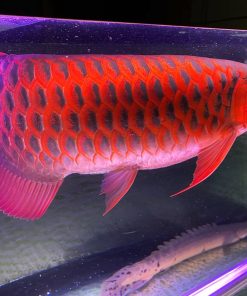
Buy baby arowana fish
(12)
Price range: $350.00 through $2,200.00
Chili Red Arowana Fish for sale
Buy Chili Red Arowana Fish Online | Arowanaz.org. Discover the vibrant Chili Red Arowana for sale online. Rare, majestic, and CITES-certified. Order your baby arowana today with free global delivery from Arowanaz.org. The Chili Red Arowana is one of the most sought-after Asian Arowana species, prized for its intense crimson scales and regal presence. At Arowanaz.org, we offer healthy, hand-selected baby Chili Red Arowana fish for sale, sourced from top-tier breeders in Indonesia, Malaysia, and Thailand. Each fish comes with full CITES documentation, microchipping, and guaranteed safe delivery. Whether you're in the UK, USA, Australia, or Asia, you can buy Chili Red Arowana fish online with confidence, knowing you're investing in a living legend. This product has multiple variants. The options may be chosen on the product page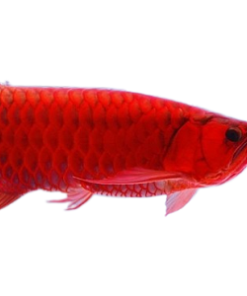
Buy baby arowana fish
(9)
Price range: $400.00 through $2,000.00
Buy Super Red Arowana online
The most popular and sought-after Arowana kind is the Super Red one. Beginning in Kalimantan (Kapuas River and Sentarum Lake). Strong red hue against a contrasting foundation characterizes these arowana. The fish will have a variety of hues, including reds, purples, greens, yellows, oranges, and many others. Their best body color frequently doesn't show until they are 3 years old or more since they acquire their final color extremely slowly. The color that will be present in the adult fish is quite difficult to predict, and because these fish take so long to mature and have such unusual color combinations, they are frequently pricey and in high demand in larger sizes. This product has multiple variants. The options may be chosen on the product page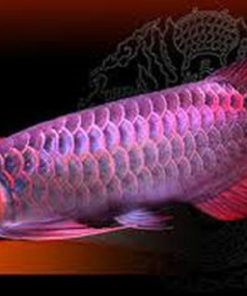
Buy baby arowana fish
(12)
Price range: $400.00 through $1,900.00
Micah (verified owner) –
The detailed guides on your site are fantastic. My fish arrived in perfect condition.
Lucy (verified owner) –
Healthy and vibrant, great purchase.
Colin (verified owner) –
Stunning Arowana, acclimated well.
Frederick (verified owner) –
The detailed guides on your site gave me the confidence to buy an Arowana. My fish is healthy and vibrant.
Zachary (verified owner) –
Thank you for the wonderful customer support
Cameron (verified owner) –
I am very satisfied with my order from Arowana fish. They had a great selection and were very helpful in answering any questions I had. I also received my order quickly, which was a big deal for me. Thank you!
Alan (verified owner) –
I cannot say enough about Arowana Fish. I was blown away by the amount of information this website had for prospective Arowana owners. The customer service was also amazing and we had many Q and As. I ended up buying a fish from this site.
Matias (verified owner) –
The fish was exactly as described, very pleased.
Baylor (verified owner) –
I was looking for an Arowana fish, but I didn’t know what kind to get or how many there were. Thankfully I found this website that not only had my type of fish but also all the products that it needs.
Archie (verified owner) –
I was looking for an Arowana fish, but I didn’t know what kind to get or how many there were. Thankfully I found this website that not only had my type of fish but also all the products that it needs.
Zayden (verified owner) –
Fast delivery, beautiful Arowana.
Thiago (verified owner) –
Thank you so much for designing the nicest fish tanks I’ve ever seen. Stores never had anything that looked this good and worked this well, but your site does. You’ll see a lot of my purchases coming from me because I’m so happy with it.