
 Deutsch
 Français
How Big Do Jardini Arowana Get? Size Expectations, Care Tips, and Everything You Need to Know
How Big Do Jardini Arowana Get? Size Expectations, Care Tips, and Everything You Need to Know
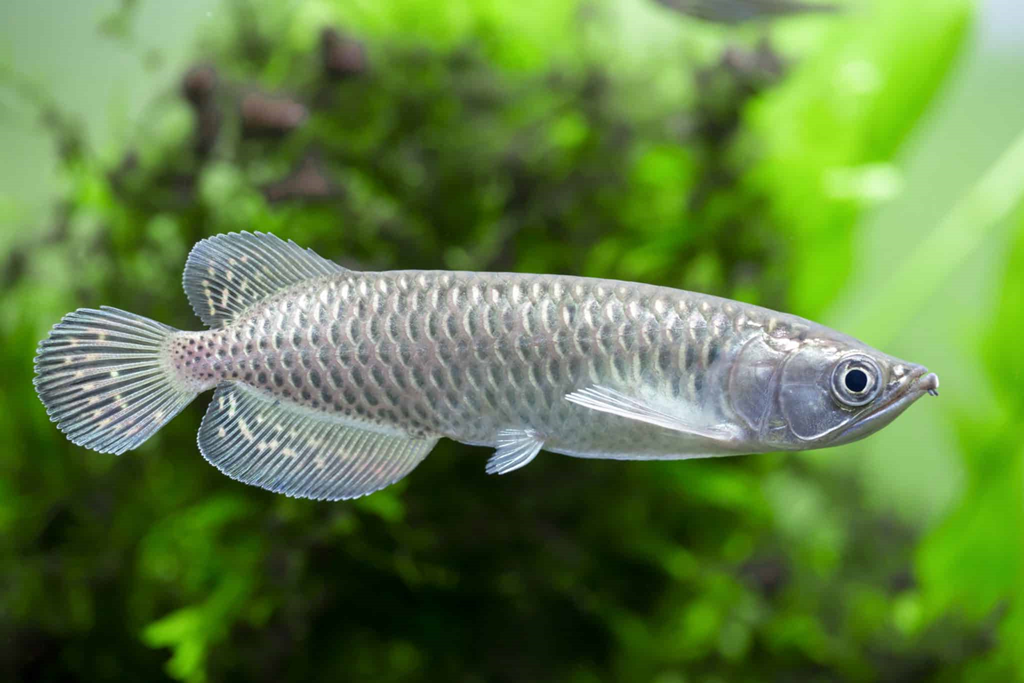
The Jardini Arowana, often called the Australian Arowana or Pearl Arowana, is a fish that does not understand the concept of personal space. If you are looking for a shy, tiny community fish, you are barking up the wrong tree. This species is a predator, a jumper, and a true showpiece that requires serious commitment. We often get asked by enthusiasts in the United States, Germany, and the UK, “How big do they actually get?” It is not a simple answer. It depends on genetics, diet, and the environment you provide.
At Arowanaz.org, we believe in telling it like it is. Keeping a Jardini Arowana is not just a hobby, it is a lifestyle choice that involves massive tanks, heavy filtration, and a deep appreciation for aquatic evolution .Let’s break down the realities of owning this Australian Arowana, what size to expect, and how to care for them properly.
The Myth of the Small Tank
First, let’s address the elephant in the room. Too often, we see beginners buying a baby Jardini and putting it in a 50 or 75 gallon tank. This is a recipe for disaster. While a juvenile might look small, usually measuring just a few inches, they grow explosively. In the wild, these fish roam the river basins of Northern Australia and New Guinea, swimming vast distances. In a home aquarium, they still feel that urge to roam.
If you cramp them, you will stunt their growth and deform their spine. Worse yet, a stressed Jardini will become aggressive. We cannot stress this enough. Tank size is the single most critical factor in their development.
How Big Do Jardini Arowana Get?
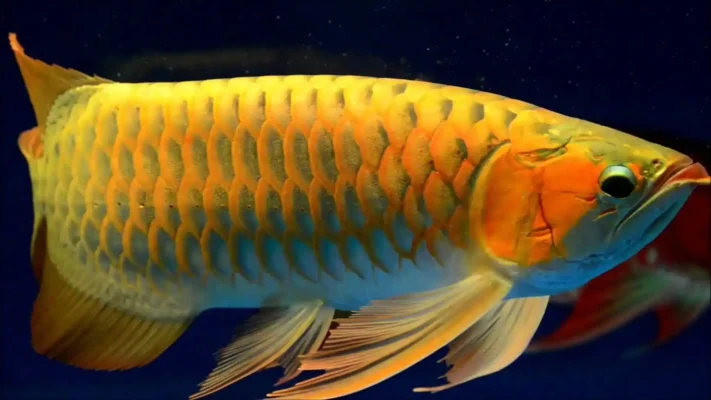
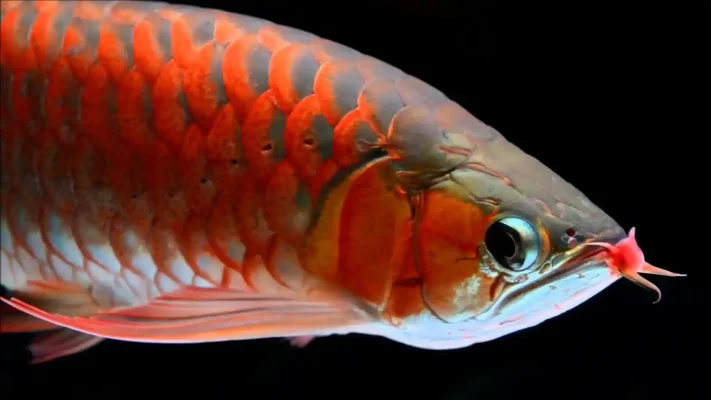
In captivity, a healthy and well-cared for Jardini Arowana typically reaches a length of 24 to 30 inches (60 to 76 centimeters). However, do not be surprised if your specimen pushes towards 36 inches in a massive, properly maintained environment. Unlike their cousins, the Silver Arowana, which can grow slightly longer and slimmer, the Jardini tends to be bulkier and more muscular. They are built for power, not just length.
Their growth rate is aggressive. In their first year, with a high protein diet, they can grow several inches a month. This rapid growth phase means you must plan ahead. You are not buying a fish for your current setup, you are buying a fish for the tank you will need to build next year.
Factors Influencing Size
Several variables dictate just how large your Arowana will get.
- Genetics: Just like humans, some fish are simply bred to be larger. High quality lineage matters.
- Diet: These are carnivores. They need protein to fuel their growth. High quality pellets, crickets, mealworms, and feeder fish are essential.
- Water Quality: Ammonia and nitrites stunt growth. pristine water conditions allow for maximum metabolic efficiency.
To understand their biology better, it helps to look at the family they belong to. According to the Smithsonian’s National Zoo, osteoglossids are ancient fish with a distinct bony tongue, a trait that contributes to their unique feeding mechanisms and robust structure.
Aquarium Setup and Requirements
We have established that they get big. So, what do you need? We recommend starting with nothing smaller than a 180 gallon tank for a juvenile, knowing you will eventually need to upgrade to a 300 gallon or larger aquarium as they mature. If you are serious about this hobby, you might want to look at our premium tanks, like the 175 gallon black aquarium or the 170 gallon white fish aquarium. These provide the necessary footprint.
Filtration and Water Parameters
Because they are heavy eaters, they are heavy waste producers. You need a filtration system that can turn over the tank volume at least 4 to 6 times per hour. Canister filters or a sump system are non-negotiable.
- Temperature: 75°F to 86°F (24°C to 30°C). They are tropical and love warmth.
- pH: 6.5 to 7.5. Slightly acidic to neutral is best.
- Hardness: 5 to 15 dGH.
Arowana care sheets often emphasize the need for stability. Fluctuations in temperature or pH can weaken their immune system, making them susceptible to parasites.
The Jumping Habit
One thing you must know, the Jardini is an escape artist. In the wild, they leap out of the water to snatch insects from overhanging branches. In your living room, they will try to jump out of the tank if stressed or startled. A tight-fitting, heavy canopy is mandatory. Do not rely on a loose glass lid. They will dislodge it.
Diet and Nutrition Strategies
To maximize their size and color potential, you must provide a varied diet. In the wild, they are opportunistic feeders, eating anything that fits in their mouth.
Staple Foods:
- High quality carnivorous pellets (we recommend Hikari or similar premium brands).
- Shrimp and prawns.
- Crickets and grasshoppers (gut-loaded).
Treats:
- Earthworms.
- Small pieces of fish fillet.
- Krill.
Warning on Feeders: Be extremely careful with feeder fish from pet stores, as they often carry diseases. If you must use feeders, quarantine them first or breed your own. According to experts at Biology Dictionary, the Arowana’s hunting style involves surface feeding, so they prefer food that floats or swims near the top.
Feeding should be done once or twice a day for juveniles to support growth, and once a day for adults to prevent obesity.
Temperament and Tank Mates
This is where the “unfiltered” truth comes in. Jardini Arowanas are aggressive. They are cichlid-like in their attitude. They do not like sharing the top of the water column.
If you want tank mates, you need fish that occupy different levels or are too big to be eaten.
- Good Tank Mates: Large plecos, Oscars (if introduced young), large catfish, and potentially rays if the tank is massive enough.
- Bad Tank Mates: Guppies, tetras, smaller cichlids, and anything that looks like a snack.
We have seen many customers try to keep them with Silver Arowana. Sometimes it works, but often they fight until one dominates the tank. If you are interested in other species, we have a variety of Arowana fish for sale, but we advise keeping Jardini in a species only tank for the best results.
You can learn more about the different types and their specific behaviors in our guide on Types of Arowana Fish.
Comparing the Jardini to Other Varieties
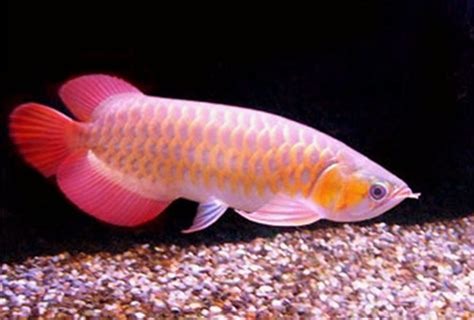
To give you a clearer picture of where the Jardini stands, let’s look at a comparison with other popular Arowana types.
- Silver Arowana: Gets longer (up to 3-4 feet), slimmer, less aggressive generally, but requires more horizontal swimming space.
- Asian Arowana: Highly expensive, restricted in many countries, generally more peaceful but fragile.
- Black Arowana: Very similar to Silver Arowana but stays slightly smaller and has darker coloration as a juvenile.
- Jardini Arowana: The “bulldog” of the group. Stocky, aggressive, beautiful speckled patterns (pearls), and manages well in slightly wider pH ranges.
If you are looking for something with a bit more color, you might view our Platinum Arowana for sale. However, the Jardini offers a unique, rugged aesthetic that is hard to beat.
Size Expectations Table
Below is a quick reference guide to help you visualize the growth timeline of a Jardini Arowana.
| Age | Approximate Size | Recommended Tank Size | Key Care Focus |
|---|---|---|---|
| Juvenile (0-6 months) | 4 – 8 inches | 55 – 75 Gallons (Temporary) | High protein diet, frequent water changes. |
| Sub-Adult (6-12 months) | 8 – 16 inches | 125 – 180 Gallons | Tank upgrade, introduce varied diet, monitor aggression. |
| Adult (1+ years) | 18 – 24+ inches | 240 – 300+ Gallons | Stable parameters, large tank maintenance, jumping prevention. |
Key Takeaway: Always buy the biggest tank you can afford. You will eventually need it.
Legal and Ethical Considerations
Before you buy, you must check your local laws. While the Jardini Arowana is generally not restricted like the Asian Arowana, which is protected under CITES, some states or regions have specific regulations on large predatory fish. We ensure all our fish are sourced ethically and legally. You can read more about the specific legalities regarding these fascinating creatures in our detailed post on Arowana legalities and regulations.
Furthermore, owning a fish that can live for 15 to 20 years is a long-term commitment. Do not buy on impulse. This is a living creature that relies on you for its survival and quality of life.
Shipping and Delivery
At Arowanaz.org, we specialize in shipping live fish safely. We know the anxiety of waiting for a new aquatic arrival. We use insulated boxes, heat packs when needed, and oxygenated bags to ensure your Jardini Arowana arrives healthy and active. We have shipped successfully to the USA, UK, Germany, and beyond. You can read our Arowana fish shipping policy to understand how we guarantee live delivery.
Final Thoughts
The Jardini Arowana is not a fish for everyone. It demands space, resources, and respect. But for those who can meet its needs, it offers one of the most rewarding experiences in the freshwater hobby. Their prehistoric look, combined with their interactive personality, makes them a true companion.
If you are ready to take the plunge, check out our current stock of Jardini Arowana for sale. We also have rare finds if you are looking for something unique. For our German customers, we have a dedicated site where you can Arowana kaufen Deutschland.
Do not settle for average. Give your fish the life it deserves.
Frequently Asked Questions
How fast does a Jardini Arowana grow?
They are rapid growers. In optimal conditions with a high protein diet, they can grow 1 to 2 inches per month during their first year.
Can I keep a Jardini Arowana in a 100 gallon tank?
Only for a very short period as a juvenile. An adult requires a minimum of 240 to 300 gallons to thrive and avoid health issues.
Are Jardini Arowanas aggressive?
Yes, they are known to be highly aggressive and territorial, especially towards other surface dwelling fish. They are best kept alone or with large, robust tank mates.
What is the lifespan of a Jardini Arowana?
With proper care, they can live for 15 to 20 years in captivity. This is a long-term commitment.
What is the difference between a Jardini and a Leichardti Arowana?
They are both Australian species. The Jardini (Scleropages jardinii) has a more spotted pattern on its fins and scales, while the Leichardti (Scleropages leichardti) often has fewer spots and a more linear pattern on the scales.
Do I need a lid for the tank?
Absolutely. They are notorious jumpers. A secure, heavy lid is necessary to prevent them from escaping the tank.
What do Jardini Arowanas eat?
They are carnivores. They eat a diet of pellets, shrimp, crickets, mealworms, and feeder fish. Variety is key to their health.
Are Jardini Arowanas legal to own?
Generally, yes. Unlike the Asian Arowana, they are not listed on CITES Appendix I. However, always check your local and state regulations regarding large predatory fish.
How can I tell if my Jardini is male or female?
It is extremely difficult to sex them visually. Males may have a slightly more elongated mouth and deeper chest, especially when breeding, but venting is usually required for accuracy.
Can I keep my Jardini with an Oscar?
It is possible, but risky. Both are aggressive cichlids (though Arowanas are not cichlids, they have similar attitudes). It requires a very large tank and careful monitoring to ensure one doesn’t bully the other.