
 Deutsch
 Français
How to Care for Arowana Fish at home | Expert Guide 2026
How to Care for Arowana Fish: Complete Guide
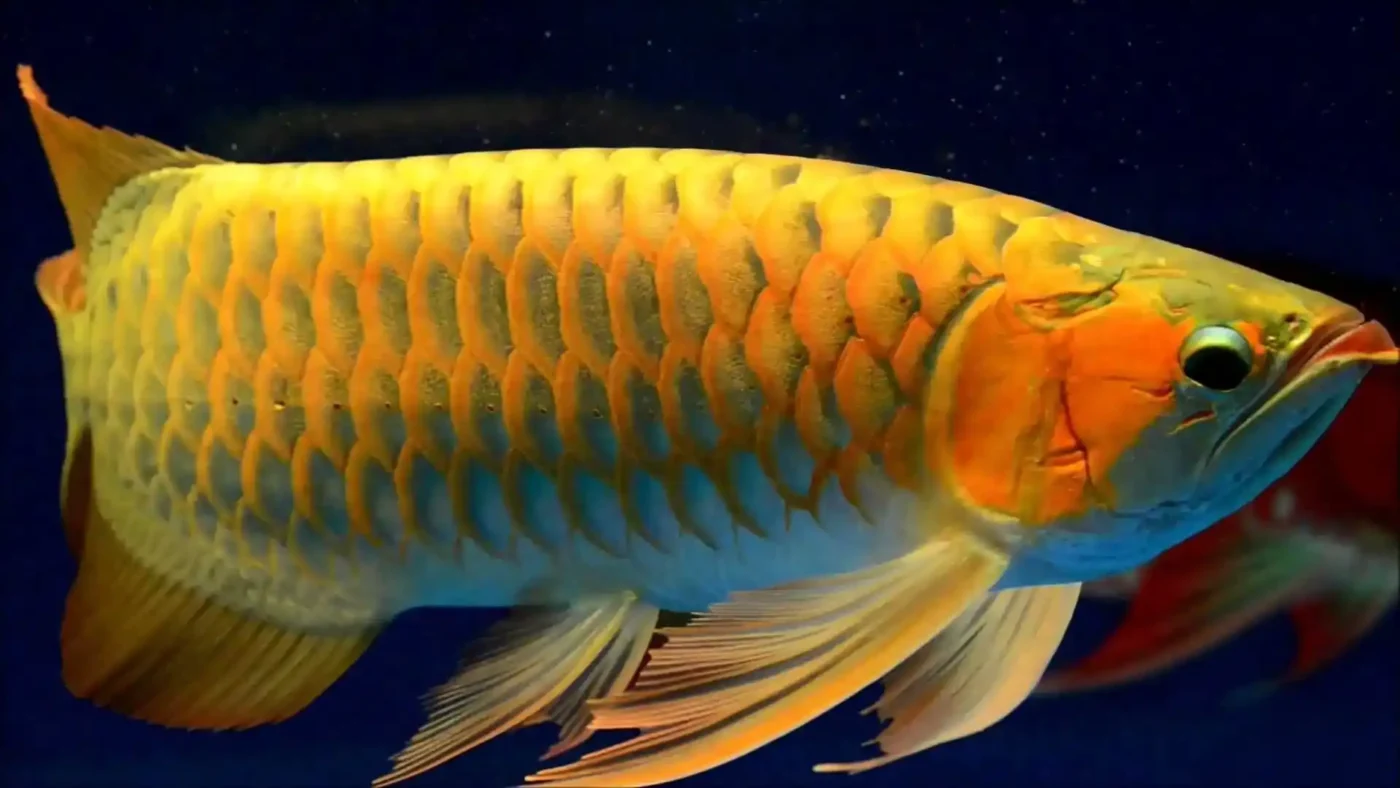
Mastering how to care for arowana fish or any aquarium world’s most magnificent creatures. Our comprehensive guide covers everything from tank requirements and feeding schedules to disease prevention and breeding techniques, ensuring your arowana thrives in captivity while maintaining its regal beauty and vibrant health. Keeping an arowana fish represents one of aquaculture’s most rewarding challenges. These ancient predators, often called dragon fish, command attention with their metallic scales and graceful movements. Yet their care demands precision, patience, and a genuine commitment to creating an environment where these remarkable creatures can flourish.
The journey to successful arowana keeping begins with understanding that these are not beginner fish. Their substantial size, specific environmental needs, and sensitive nature require experienced hands. According to PetMD’s research, arowanas can grow up to two inches per month during their first year, a growth rate that catches many unprepared keepers off guard.
Understanding Arowana Fish Biology
Before setting up any equipment, grasp what makes these fish unique. Arowanas belong to the Osteoglossidae family, an ancient lineage that has survived for millions of years. Their elongated bodies, covered in large metallic scales, serve both aesthetic and practical purposes. The distinctive upturned mouth and long barbels near their lower jaw help them detect movement on the water’s surface, where they naturally hunt.
These surface feeders possess a unique bony tongue structure that helps crush prey. Biology Dictionary notes that this adaptation allows them to consume larger prey items than you might expect for their jaw size. In their natural habitat across South America, Asia, Australia, and Africa, they inhabit slow-moving waters, flooded forests, and river tributaries where they can patrol the upper water column.
The National Zoo’s observations highlight their incredible jumping ability. Wild arowanas regularly leap from the water to snatch insects, small birds, and even bats from low-hanging branches. This behaviour has earned them another nickname: water monkeys.
Essential Tank Setup Requirements
Tank Size and Dimensions
Space matters dramatically for arowana health. Juveniles might survive temporarily in smaller environments, but planning for adult size prevents future complications and stress-related health issues.
| Fish Size | Minimum Tank Volume | Recommended Dimensions |
|---|---|---|
| Juvenile (4-8 inches) | 60 gallons | 4 ft x 1.5 ft x 1.5 ft |
| Sub-adult (8-16 inches) | 150 gallons | 5 ft x 2 ft x 2 ft |
| Adult Silver Arowana | 250-300 gallons | 6 ft x 2.5 ft x 2.5 ft |
| Adult Asian/Australian | 220 gallons minimum | 6 ft x 2 ft x 2 ft |
| Large Adult (24+ inches) | 400-800 gallons | 8 ft x 3 ft x 3 ft |
The Smithsonian’s Living Planet Aquarium emphasizes that horizontal swimming space matters more than tank height. These fish patrol territories horizontally, so length and width take priority over depth.
Glass thickness cannot be compromised. Arowanas generate substantial force, and tanks with glass thinner than half an inch risk catastrophic failure. We recommend professional-grade aquariums built specifically for monster fish, and the tank stand must support the enormous weight involved.
Water Parameters and Quality
Maintaining stable water conditions separates successful keepers from those who struggle with constant health problems. Research from aquarium specialists confirms that parameter stability matters more than hitting exact numbers.
Critical Water Parameters:
- Temperature: 75-86°F (24-30°C)
- pH Level: 6.0-7.5 (soft to slightly acidic)
- Ammonia: 0 ppm (absolutely critical)
- Nitrite: 0 ppm (equally critical)
- Nitrate: Below 20 ppm (lower is better)
- Water Hardness: 5-12 dGH
Arowanas show particular sensitivity to nitrates, unlike many other large fish. Weekly partial water changes of 25-30% help maintain optimal conditions. Some experienced keepers perform smaller daily changes, which creates even more stable conditions.
Investment in quality test kits pays dividends. The API Master Test Kit or similar products allow accurate monitoring of these parameters. Digital thermometers provide more reliable readings than stick-on versions.
Filtration and Circulation
These fish produce substantial waste, making robust filtration non-negotiable. Your filter system should process the entire tank volume at least four times hourly. For a 250-gallon tank, aim for filters rated at 1,000 gallons per hour minimum.
Recommended Filtration Options:
- External canister filters (FX6, Eheim 2260)
- Sump filtration systems
- Multiple hang-on-back power filters
- Custom wet/dry trickle systems
Aquarium Store guidance suggests combining mechanical, biological, and chemical filtration methods. Mechanical filtration removes particulate matter, biological filtration processes ammonia and nitrites through beneficial bacteria colonies, while chemical filtration (activated carbon) removes dissolved organic compounds and odours.
Water circulation should create moderate to strong current without creating areas where your arowana struggles to swim. Position filter outflows to generate circular flow patterns that mimic river currents.
Lighting and Tank Placement
Position your aquarium in a quiet area away from direct sunlight, windows, and high-traffic zones. According to PetMD’s care research, arowanas startle easily, and sudden movements or bright lights trigger stress responses.
Lighting serves two purposes: viewing your fish and potentially enhancing coloration. Standard aquarium lights work fine for silver arowanas and most species. However, keepers of red or golden varieties often use specialized tanning lights to intensify coloration. Keep photoperiods consistent at 10-12 hours daily.
Tank Lid and Safety
Never underestimate arowana jumping ability. These fish can clear several feet when startled or hunting. A secure, fitted lid with no gaps prevents injuries and escapes. Some keepers use netting or acrylic covers, but whatever method you choose, ensure complete coverage with adequate ventilation.
Feeding Your Arowana: Nutrition and Diet
Understanding Dietary Needs
Carnivorous arowanas require high-protein diets rich in essential nutrients. In nature, they consume insects, smaller fish, crustaceans, and occasionally small reptiles or amphibians. Captive diets should replicate this variety while ensuring balanced nutrition.
Feeding research from MonsterFishKeepers demonstrates that variety prevents nutritional deficiencies. Relying exclusively on one food type, however convenient, creates health problems over time.
Primary Food Sources
High-Quality Pellets and Sticks
Specially formulated arowana pellets or sticks (Hikari Massivore, Omega One Super Color) should form the foundation. These contain balanced proteins, vitamins, and minerals. Look for products listing whole fish or fish meal as primary ingredients.
Live Foods
- Market Prawns: Excellent protein source and natural colour enhancer. Feed whole with shells for larger fish, remove shells for juveniles.
- Crickets: Stimulate hunting instincts, high protein content.
- Mealworms and Superworms: Convenient, protein-rich, but relatively high in fat.
- Earthworms: Highly nutritious when gut-loaded with quality food.
- Small Fish: Guppies, rosy red minnows (avoid overfeeding goldfish due to high fat content).
- Grasshoppers: Low fat, high protein option for adults.
Frozen Foods
Frozen market shrimp, krill, fish fillets, and bloodworms provide convenience with good nutritional value. Thaw completely before feeding and remove any uneaten portions promptly.
Feeding Schedule and Portions
Age and size determine feeding frequency. According to hygger’s nutritional research, juveniles need more frequent meals to support rapid growth:
Juvenile Arowanas (Under 12 months):
- Feed 2-3 times daily
- Small portions consumed within 2-3 minutes
- Focus on growth-supporting foods
Adult Arowanas (Over 12 months):
- Feed once daily or every other day
- Larger portions consumed within 5 minutes
- Consider occasional fasting days
Overfeeding causes more problems than underfeeding. Obesity, swim bladder issues, and water quality degradation all stem from excessive feeding. Monitor your fish’s body condition and adjust accordingly.
Foods to Avoid or Limit
While arowanas eat almost anything, certain foods require caution:
- Goldfish: High fat content makes them unsuitable as staples
- Mammalian meat: Difficult to digest, can cause bloating
- Fatty insects: Limit waxworms and other high-fat options
- Sharp-edged foods: Remove shrimp head gear to prevent intestinal injury
Common Health Issues and Disease Prevention
Preventive Care Fundamentals
Prevention beats treatment every time. Health research documented by hygger shows that most arowana diseases stem from poor water quality, stress, or nutritional deficiencies.
Prevention Strategies:
- Maintain pristine water conditions
- Quarantine new tank mates for 2-3 weeks
- Provide varied, nutritious diet
- Minimize handling and sudden environmental changes
- Use quality filtration systems
- Perform regular water testing
White Spot Disease (Ich)
Perhaps the most common parasitic infection, ich manifests as small white spots across the body and fins. Fish infected with ich typically scratch against tank surfaces and show reduced appetite.
Treatment Protocol:
- Gradually raise temperature to 28-30°C (if species tolerates)
- Add ich medication (malachite green or copper-based treatments)
- Increase aeration
- Perform 25% water changes every 2-3 days
- Continue treatment for full cycle (10-14 days)
Bacterial Infections
Bacterial infections appear as fin rot, body lesions, discolouration, or lethargy. According to fishkeeping research, poor water quality directly triggers these conditions.
Treatment Approach:
- Improve water quality immediately
- Add aquarium salt (1%)
- Administer broad-spectrum antibiotics if necessary
- Increase oxygen levels
- Remove sharp decorations that might cause injury
Dropsy and Swim Bladder Issues
Overfeeding represents the primary cause of swim bladder problems. Fish affected by these conditions struggle with buoyancy, floating abnormally or sinking.
Management Steps:
- Fast the fish for 48-72 hours
- Feed cooked, peeled peas to aid digestion
- Add small amount of aquarium salt
- Maintain stable water parameters
- Resume feeding with smaller portions
Droopy Eye (Drop Eye)
Controversial and frustrating, droopy eye causes aesthetic concerns but rarely affects health directly. Research suggests that fat accumulation behind the eye, combined with environmental factors, contributes to this condition.
Prevention Methods:
- Avoid overfeeding fatty foods
- Use centralized top lighting
- Cover tank sides to prevent downward gazing
- Feed floating foods to encourage upward orientation
- Maintain optimal water quality
Gill Curl
Small tank size, poor oxygen levels, and suboptimal water conditions cause gill covers to curl outward. This condition affects breathing and appearance.
Correction Approach:
- Transfer to appropriately sized tank
- Increase oxygen levels substantially
- Maintain stable water parameters
- Consider surgery only as last resort (rarely successful)
Compatible Tank Mates and Social Dynamics
Adult Arowana Behaviour
Wikipedia’s documentation confirms that adult arowanas exhibit solitary and territorial behaviour. Keeping multiple adults together typically results in aggression, stress, and potential injury.
Selecting Compatible Species
If you choose to house tank mates with your arowana, follow these guidelines:
Suitable Companions:
- Large Plecos: Stay near bottom, help with algae
- Large Catfish: Bottom dwellers that avoid arowana territory
- Datnoides: Similar size, different water column
- Oscars: If properly sized, can coexist
- Freshwater Stingrays: Remain on bottom substrate
Species to Avoid:
- Any fish small enough to eat
- Surface-dwelling species (compete for territory)
- Aggressive species of similar shape
- Slow-moving fancy goldfish
- Neon or small tetras
Carefully observe interactions when introducing new fish. Remove any species showing signs of stress or aggression within 24-48 hours. At Arowanaz, we stock various compatible species that work well in arowana setups.
Water Maintenance and Tank Upkeep
Weekly Maintenance Schedule
- Monday: Test water parameters (ammonia, nitrite, nitrate, pH)
- Wednesday: Perform 25% water change, vacuum substrate
- Friday: Check filter flow rate, clean pre-filters if needed
- Sunday: Inspect fish for health issues, test temperature
Monthly Deep Maintenance
Once monthly, conduct more thorough maintenance:
- Clean filter media (never all at once)
- Test and calibrate equipment
- Inspect heaters and thermometers
- Check for equipment wear or malfunction
- Examine tank seals and structure
Water Change Technique
Match temperature and pH of replacement water to tank water. Treat with dechlorinator before adding. Pour slowly to avoid startling your fish. Some keepers use Python water changers or similar systems that simplify large water changes.
Arowana Varieties and Species-Specific Care
Silver Arowana
The silver arowana represents the most accessible species for keeping. Native to South American river systems, they grow quickly and reach lengths exceeding three feet. Their metallic silver scales and large scales create stunning visual appeal.
Care Specifics:
- Temperature: 75-82°F
- pH: 6.0-7.0
- Tank size: 250+ gallons for adults
- Growth rate: Extremely fast (2 inches monthly when young)
Asian Arowana
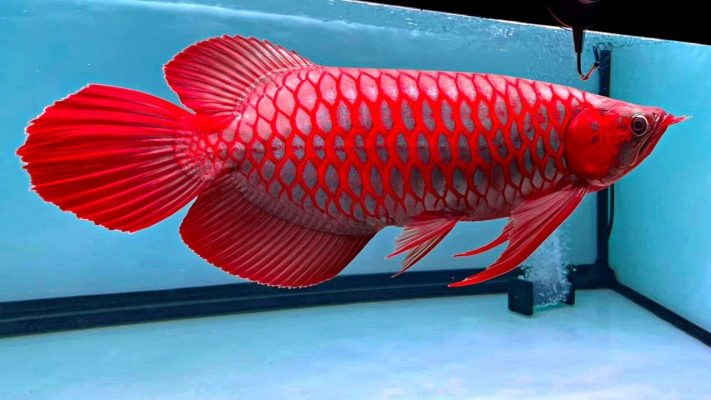
Asian arowana command premium prices due to their stunning coloration and cultural significance. Red, golden, and green varieties exist, each with distinct care requirements.
Notable Varieties:
Australian Varieties
Jardini arowana and Leichardti arowana from Australia show more aggressive tendencies. They’re hardy fish but require solitary housing once mature. Learn more about jardini arowana care and growth expectations.
Equipment Recommendations
Heaters
Use reliable, adjustable heaters rated for your tank volume. We recommend:
- Titanium heaters for large tanks (nearly indestructible)
- Two smaller heaters rather than one large unit (redundancy)
- External temperature controllers for precision
Water Testing Equipment
- API Master Test Kit (comprehensive)
- Digital pH meter (accuracy)
- TDS meter (dissolved solids monitoring)
- Thermometers (multiple locations)
Filtration Components
Quality matters enormously. Proper tank setup requires investment in reliable equipment. Consider FX6 canister filters, Eheim professional series, or custom sump systems.
Acclimation and Introduction
Bringing Your Arowana Home
When you purchase an arowana, proper acclimation prevents shock and disease. Our shipping process ensures fish arrive healthy, but acclimation remains crucial.
Acclimation Steps:
- Float sealed bag in tank for 15-20 minutes (temperature equalization)
- Open bag, add 1/4 cup tank water
- Wait 10 minutes, add another 1/4 cup
- Repeat process for 45-60 minutes total
- Gently net fish into tank (don’t add bag water)
- Dim lights for first 24 hours
- Monitor closely for stress indicators
First Week Care
Stress levels peak during initial days. Minimize activity around the tank, maintain stable conditions, and offer small amounts of their familiar foods. Some arowanas refuse food for 2-3 days after moving. This behaviour falls within normal range unless accompanied by other symptoms.
Advanced Considerations
Breeding Arowana
Arowana breeding in home aquariums presents significant challenges. These fish require massive spaces, specific conditions, and years to reach sexual maturity (3-4 years minimum).
Males practice mouthbrooding, carrying fertilized eggs and fry in their mouths for up to two months. Commercial breeding operations use huge ponds rather than tanks. For most keepers, breeding remains impractical.
Colour Enhancement
Colour genetics play the primary role, but diet and environment influence pigmentation. What affects their vibrant hues includes:
- Diet: Prawns, krill, and colour-enhancing pellets
- Lighting: Specialized tanning lights for reds and golds
- Water chemistry: Soft, acidic water enhances colours
- Stress levels: Chronic stress dulls coloration
Arowana Legalities and Regulations
Asian arowanas face legal restrictions in many countries due to endangered status. However, other varieties remain legal. Research local regulations before purchasing. Understand what arowana fish are and their conservation status.
Key Takeaways
- Tank size cannot be compromised: Adults need minimum 250-gallon tanks with 6-foot length
- Water quality determines success: Zero tolerance for ammonia and nitrite, regular testing essential
- Varied diet prevents deficiencies: Rotate between pellets, prawns, insects, and frozen foods
- Prevention beats treatment: Quarantine new additions, maintain stability, avoid stress
- Species-specific needs matter: Research your particular variety’s requirements
- Patience and commitment required: These fish live 10-20+ years with proper care
- Solo housing often best: Adult arowanas show territorial aggression toward tank mates
- Secure lids mandatory: Powerful jumpers escape through smallest gaps
How Big Do Arowana Fish Grow?
Size depends on species. Silver arowanas commonly reach 30-36 inches in captivity, occasionally exceeding 40 inches. Asian varieties typically max out around 24-30 inches, while Australian jardini grow to similar sizes. Growth rates vary dramatically. Juveniles can gain two inches monthly during the first year when conditions optimize development. After 18-24 months, growth slows considerably. Tank size directly impacts final size, with cramped conditions stunting growth and causing health problems.
Can Beginners Keep Arowana Fish?
Honestly, arowanas challenge beginners. Their size, sensitivity to water parameters, specific dietary needs, and long-term commitment make them unsuitable for novice keepers. We recommend gaining experience with hardy fish first. Master water chemistry, filtration, and large fish behaviour before attempting arowana keeping. However, if you’re committed to learning, starting with a silver arowana under expert guidance can succeed. Research thoroughly, prepare properly, and be ready for the time and financial investment required.
How Long Do Arowana Fish Live?
Lifespan varies significantly between wild and captive populations. Wild arowanas documented living 40-60 years demonstrate their longevity potential. Captive specimens typically live 10-20 years, though many unfortunately die sooner due to improper care. Understanding their lifespan helps you appreciate the commitment involved. Factors affecting longevity include water quality, tank size, diet quality, stress levels, and genetic factors. Proper care maximizes lifespan, making these truly long-term companions.
What’s the Best Food for Arowana Growth?
No single food provides complete nutrition. Rotation between high-quality protein sources produces best results. Young arowanas benefit from small prawns, crickets, mealworms, and specially formulated growth pellets. Adults thrive on market prawns (with shells), larger insects, krill, and quality carnivore pellets. Colour enhancement requires specific foods. Prawns, krill, and carotenoid-rich options intensify red and gold pigmentation. Avoid excessive goldfish feeding due to high fat content. Balance protein intake with vitamins and minerals. Quality commercial foods (Hikari Massivore, Omega One) provide foundational nutrition, while live and frozen foods add variety.
How Often Should I Change Water in an Arowana Tank?
Weekly partial water changes of 25-30% represent the minimum standard for arowana keeping. Some advanced keepers perform smaller daily or every-other-day changes, creating even more stable conditions. Water change frequency depends on several factors: tank size, filtration capacity, feeding amount, and water parameter readings. Heavily fed fish in smaller tanks need more frequent changes. Well-filtered large tanks might manage with slightly reduced frequency. However, never skip weekly changes completely. Arowanas show particular sensitivity to nitrate accumulation, making consistent water changes non-negotiable for long-term health.
Citations and References
- PetMD – Arowana Care Sheet
- National Zoo – Silver Arowana
- Biology Dictionary – Arowana
- Living Planet Aquarium – Asian Arowana
- Wikipedia – Arowana
- hygger – Arowana Fish Diseases and Treatments
Ready to start your arowana journey? Explore our collection of premium arowana fish for sale including rare varieties like the platinum arowana and crossback patterns. Whether you’re in the UK, USA, Germany, or anywhere globally, we provide expert support and healthy fish delivered to your door.